Your family archive is only as reliable as its evidence.
Oracynth is a family archive where every fact links to a citation, every citation to a source, and the whole archive lives in an open format you control.
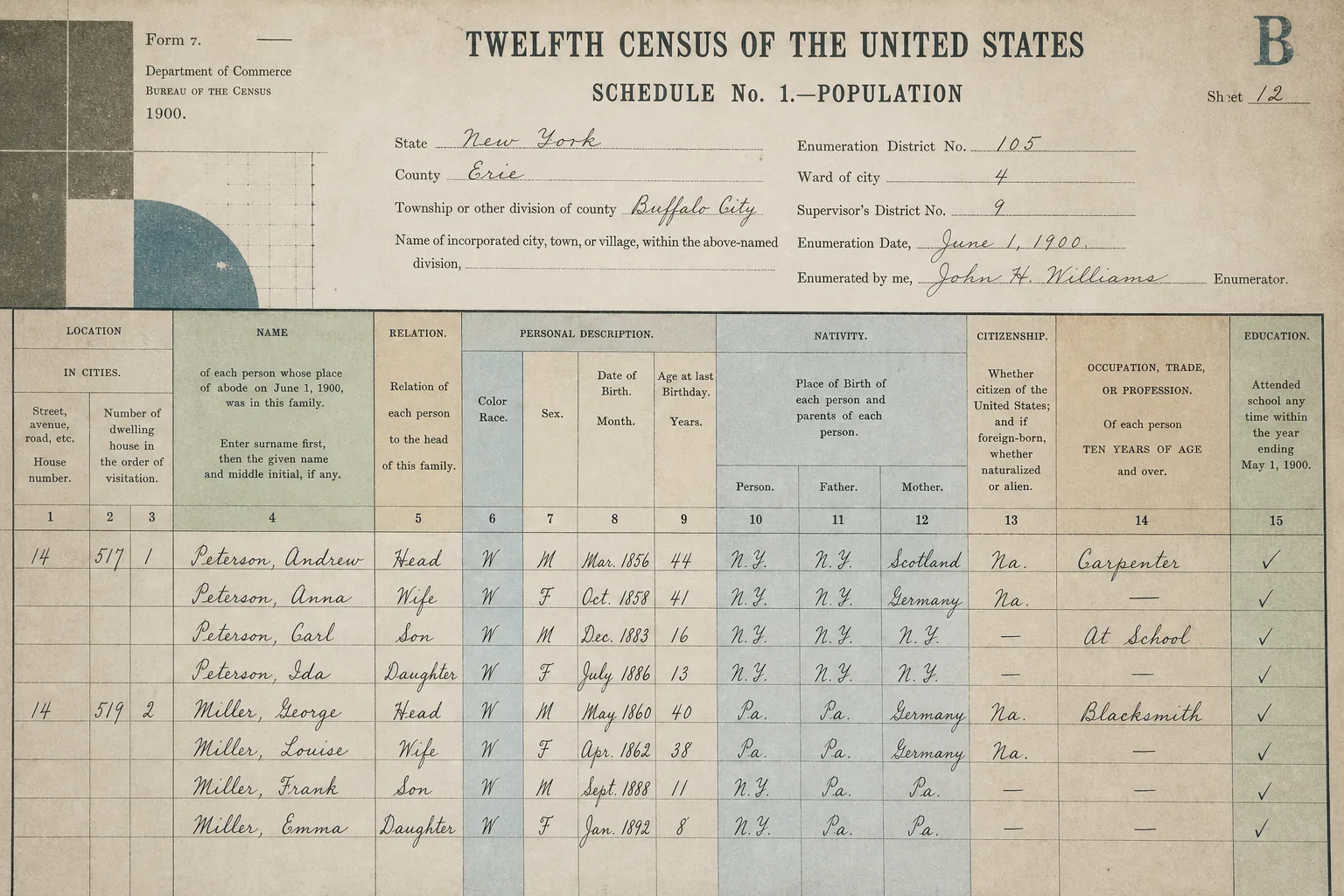
Anna Peterson
Most software treats proof as an afterthought
The tree is the easy part. Proving it is the hard part.
Trees built on hints, not evidence
One-click hints copy conclusions from tree to tree until nobody remembers where they came from. The error compounds. The citation never existed.
Software built for one family shape
Step-parents, chosen family, same-sex parents, multiple caregivers. Real relationships forced into fields designed for a 1950s household, or left out entirely.
Citations that don't survive the move
Transfer between platforms and watch careful work degrade: notes truncated, custom fields dropped, source details mangled in transit. Years of research reduced to names and dates.
An archive where every fact shows its work
Oracynth is built around what the others treat as an afterthought: the chain from source to citation to assertion, on every fact in the archive.
Every fact, traceable to its sources
The Evidence view draws each assertion back through its citations to the sources behind it. Confidence is color-coded, conflicting sources sit side by side, and selecting any fact or source lights its path through the archive.
Identity
Attributes
A full record for every kind of family
Define custom relationship and event types when the standard ones don't fit. They carry the same citations, the same proof status, and the same place in the evidence chain as a birth record. Oral interviews and family stories become durable, cited sources in the archive.
Define the relationships your archive needs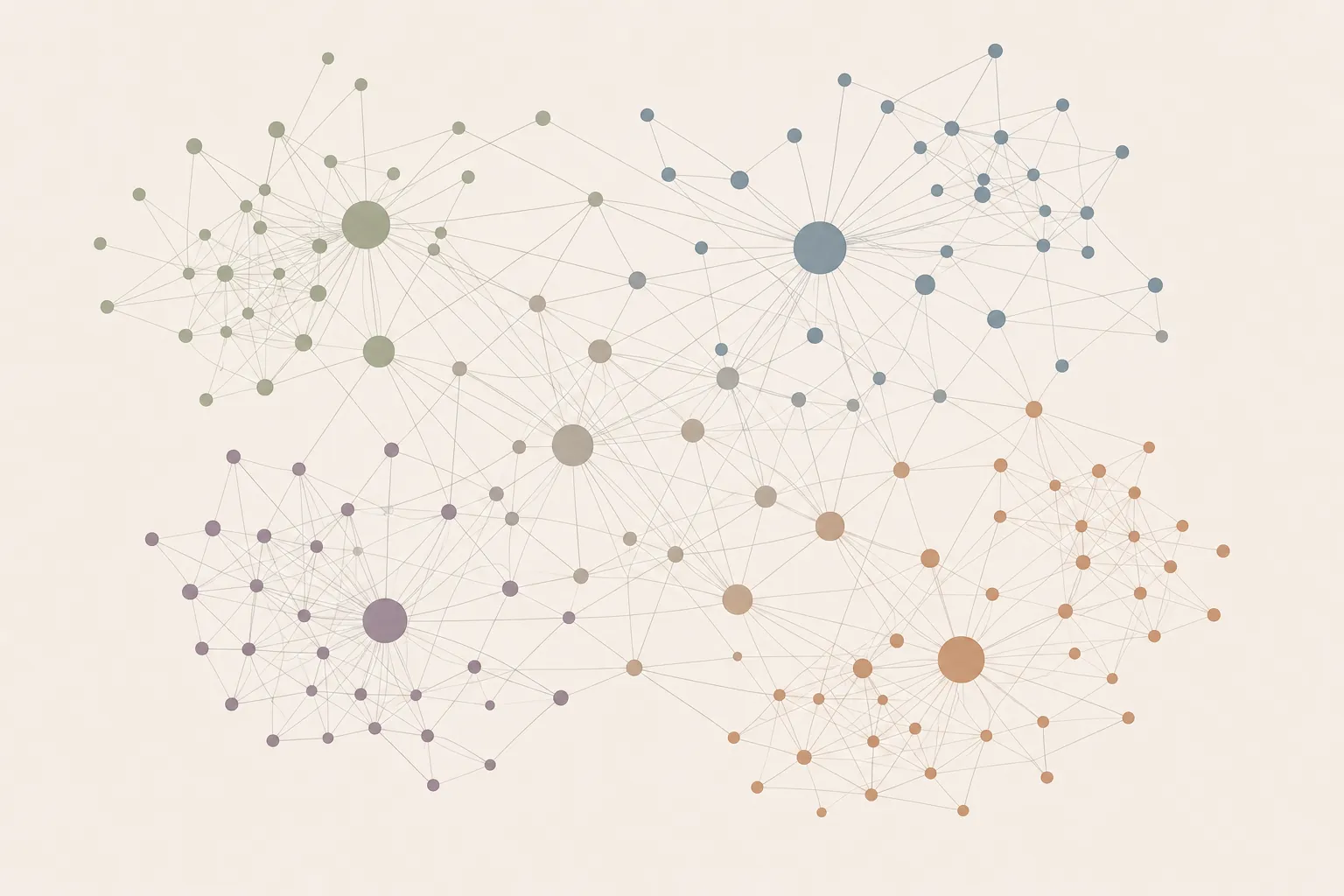
An open format you control
Archives are stored as GLX, an open, git-native standard built from human-readable files with versioned history. Export everything anytime, as raw GLX or GEDCOM. If Oracynth disappeared tomorrow, your archive would still open.
Developed in the open at genealogix.ioassertions:
assertion-eliza-residence-1901:
subject:
person: person-eliza-hale
property: residence
value: Ashford, Kent
date: "1901"
confidence: high
status: proven
citations:
- citation-census-1901
- citation-kellys-directory-1901 From scattered to sourced in three steps
Import and inspect
Bring your GEDCOM, photos, documents, and recordings. Get a complete report of what mapped cleanly and what needs review. Nothing changes silently.
Cite and connect
Attach sources, record assertions, link media to the people and events they document. Proof status updates as the evidence accumulates.
Share and export
Invite family to view or contribute. Export the complete archive whenever you want, in formats that outlive any platform.
Built for the way you work
The professional genealogist
You work to the Genealogical Proof Standard, and most software fights you on it. Oracynth puts proof status and a full citation chain on every assertion, and exports as GLX or GEDCOM without degrading a single source.

The story keeper
You're recording the people who remember before the memories go. Interviews and family stories enter as cited sources with the same standing as any document. They stay with your GEDCOM data and media in one archive that exports without losing a word.

The modern family builder
Your family doesn't match the template: chosen family, same-sex parents, multiple caregivers, blended households. Document the relationships that actually exist, with the same citations, proof status, and lossless export as any vital record.
Professional research, oral histories, and families that do not fit a standard template all need the same thing: evidence behind every fact in the archive.
Secure your early access
Help shape the platform while it's being built.
Free during early access
A generous free tier while we refine the platform. Your archive, your feedback, no charge.
Lifetime discount
Early access members keep a significant discount when paid tiers arrive.
Shape the product
A direct line to the team building it. What you need next influences what gets built next.
We'll never share your email or use it for anything except updates about Oracynth.